
// FAQ's
Diesel Maintenance

- How often for oil changes? Modern diesels can go 10,000+ miles, but heavy towing/idling requires more frequent changes (3,000-5,000 miles).
- Why are fuel/air filters so important? They trap contaminants, preventing clogged injectors and fuel pumps, which cause power loss and hard starts.
- Filter replacement intervals? Often every 10,000-15,000 miles for fuel filters, and check air filters every few months or 10k miles.
- What causes black smoke? Often faulty injectors or turbocharger issues; blue smoke can mean oil leaks.
- What if I put gas in a diesel tank? Do not turn the key; the system needs flushing before starting to prevent severe damage.
- Why is fuel efficiency dropping? Clogged air/fuel filters, dirty injectors, or bad fuel are common culprits.
- How often to service? At least annually, but every 6 months is safer, or as recommended in your manual, depending on usage.
- Key preventative steps? Regular oil/filter changes, keeping the engine clean, checking fluid levels, and inspecting belts/hoses.
- How do diesels differ from gas engines? They use compression for ignition (no spark plugs) and are sensitive to fuel contamination and carbon buildup.
- What are common signs that my diesel engine needs repair?
Signs of issues include excessive smoke (black, white, or blue), a loss of power, strange noises, rough idling, difficulty starting, and a decrease in fuel efficiency. - What do different diesel exhaust smoke colors mean?
- White smoke often indicates a cold start (briefly), coolant intrusion, or water in the fuel.
- Black smoke typically points to over-fueling or restricted air flow.
- Blue smoke is usually a sign of burning oil.
- What should I do if I accidentally put gasoline in my diesel vehicle?
Turn off the engine immediately to prevent further damage. Do not start it again. The fuel system will need to be completely drained and flushed by an authorized diesel service shop. - Why is regular maintenance important?
Catching small issues early prevents costly breakdowns, reduces vehicle downtime, extends the life of expensive components, and ensures the vehicle runs efficiently and reliably.
// FAQ's
Towing and Recovery
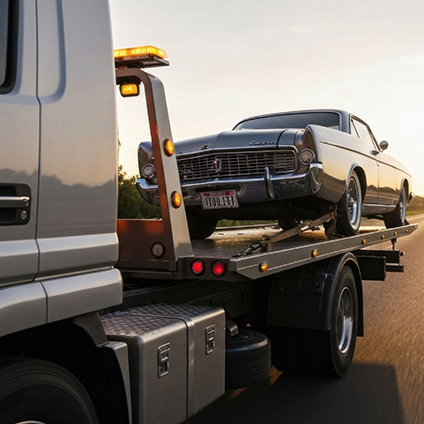
- When you’re stranded, you need fast, dependable help from professionals you can trust. Our towing and recovery team is committed to providing prompt, safe, and reliable services—24 hours a day, 7 days a week. Whether it’s a breakdown, accident, or roadside emergency, we respond quickly and get the job done right.
- We can assist with your flat tire quickly and efficiently. Our professional flat tire change service is available 24 hours a day, 7 days a week, providing reliable roadside assistance when you need it most. We safely remove flat tires and install spare tires on all cars, trucks, and SUVs, getting you back on the road with minimal delay.
- Winch services involve using a motorized cable system to safely pull stuck or non-running vehicles out of difficult situations—such as ditches, mud, or off-road conditions—or to load them onto transport trucks. Proper training, specialized equipment, and years of hands-on experience are essential to performing winching and vehicle recovery without causing further damage.
- Battery dead? We provide fast, professional jump-start and battery replacement services—available day or night. Modern vehicles are equipped with sensitive electronics that can be easily damaged by improper jump-starting procedures. LCM Towing and Repair, LLC uses the correct equipment and proven methods to safely jump-start vehicles ranging from passenger cars to semi-trucks.